Shrinking Office Market: How Massive Conversions Are Bracing For Impact
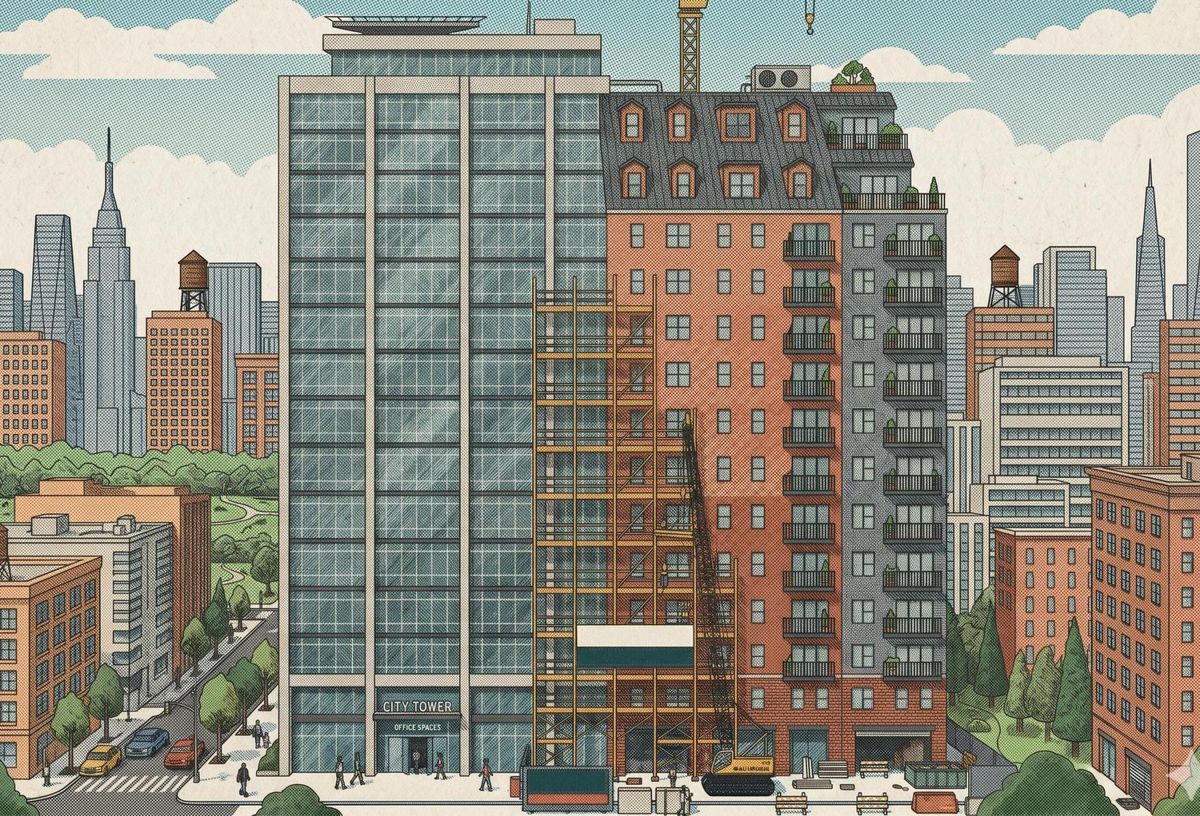
The commercial real estate sector is finding a surprising way to stabilize the office market: by simply getting rid of the excess inventory. According to new data, over 100 million square feet of office space was removed from the market in the first quarter of this year. This shrinking footprint is the result of property owners opting for conversions rather than waiting for tenants who may never return.
This shift marks a significant pivot for urban centers struggling with high vacancy rates. By turning well-located but underutilized buildings into residential units or life science hubs, developers are addressing the post-pandemic reality of hybrid work. These conversions act as a safety valve, preventing a total market collapse by reducing the supply of traditional workspace and keeping remaining inventory competitive.
As the industry moves away from "obsolete" properties, the focus is now on quality over quantity. Newer "Class-A" buildings continue to attract tenants, while older structures are being repurposed to fill the rising demand for housing in metropolitan areas. This trend suggests that the dreaded commercial real estate "reckoning" may be mitigated by a massive wave of redevelopment.
Moving forward, industry watchers should monitor whether local governments provide enough zoning flexibility and tax incentives to keep this momentum going. While conversions are expensive and architecturally challenging, they represent the most viable path forward for city cores looking to evolve. These findings were first reported by Bisnow.
Read the full story at all 0 sources
Now Trending summarizes the news so you can scan in seconds. Full credit and reporting belongs to the original publishers.